TradingView Ticker Tape

Showing posts with label geopolitical tensions. Show all posts

Thursday, 5 March 2026

NFP Forecast Amid Geopolitical Shocks and the Fed’s Dilemma

Read the March 2026 NFP forecast. Discover how a 58k job estimate, rising oil prices, and geopolitics impact the Fed, DXY, gold, crypto, and stock markets.


March 2026 NFP Forecast: Jobs, Geopolitics & Markets

Financial markets face a critical turning point this March. Investors are caught between a rapidly cooling US labor market and the escalating geopolitical crisis in the Middle East. The upcoming Non-Farm Payrolls (NFP) report will serve as a crucial test for the Federal Reserve.

The central bank must navigate a complex economic landscape. On one hand, domestic hiring is slowing down. On the other hand, the joint US-Israeli military campaign known as “Operation Epic Fury” has disrupted global energy supplies, threatening to reignite inflation.

Quick Facts

  • Expected Jobs Added: 58k (down from 130k in January)
  • Unemployment: ~4.3%
  • Wage Growth: +0.4% (potential for stubborn inflation)
  • Oil Price: Brent crude over $80
  • Middle East: US-Israel operation in Iran disrupts energy markets

What’s Going On?

  • US job growth is sharply slowing.
  • Wages are up, squeezing businesses.
  • Middle East conflict is pushing oil and gas prices higher.
  • The Fed faces a tough decision: cut rates to help jobs or keep them high to fight inflation.

Key Takeaways

  • Sharp Job Slowdown: Economists forecast the March 2026 Non-Farm Payrolls (NFP) to show only 58k new jobs, a massive drop from January’s 130k.
  • Stable Unemployment: The US unemployment rate is projected to hold steady at 4.4%.
  • Geopolitical Energy Shock: “Operation Epic Fury” in the Middle East has pushed Brent crude oil prices above $80 per barrel, reigniting inflation fears.
  • Sticky Wage Growth: Average hourly earnings are expected to rise by 0.4% month-over-month, creating a stagflation risk.
  • The Fed’s Dilemma: The Federal Reserve must choose between cutting rates to support a weakening labor market or holding rates high to combat energy-driven inflation.

March 2026 NFP Expectations and Labor Market Dynamics

The US labor market is showing clear signs of exhaustion. The “low-hire, low-fire” regime that characterized late 2025 is now cracking under the weight of sustained high interest rates.
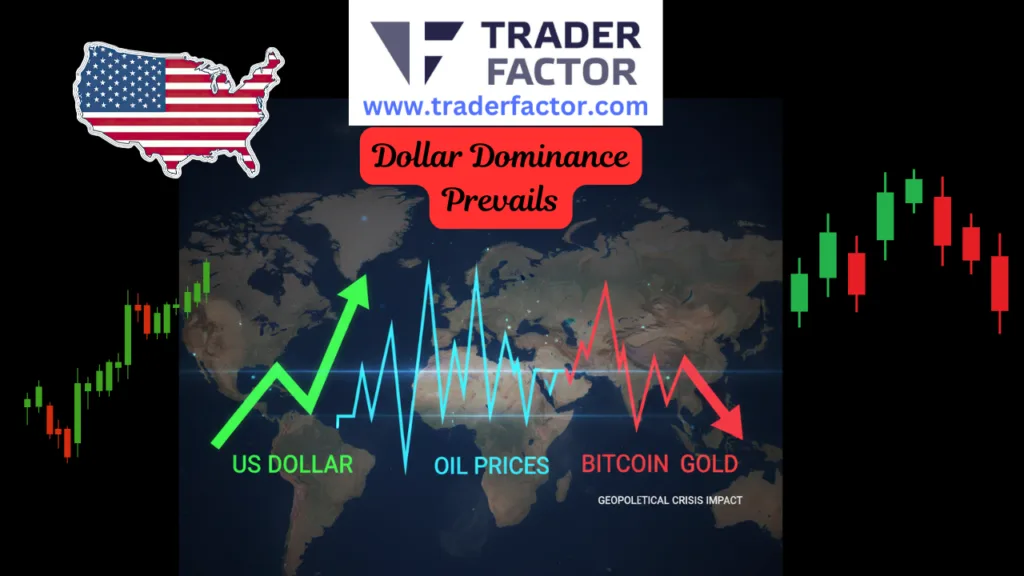
Dollar Dominance and Market Volatility Amid Middle East Conflict

The Headline Jobs Data

The March employment data points to a severe deceleration in hiring. Analysts expect the US economy to add just 58k jobs. This represents a steep decline from the 130k jobs added earlier in the year. Meanwhile, the unemployment rate is projected to remain steady or slightly edge up to 4.4%.

BlackBull Markets has built a reputation for speed. Based in New Zealand, they are an ECN broker. This means they connect you directly to the market without interfering.

The Wage Growth Problem

While job creation stalls, wages remain stubbornly high. Average hourly earnings are forecasted to rise by 0.4% for the month. This persistent wage growth creates a massive headache for policymakers. When wages stay high while job creation falls, the economy edges dangerously close to stagflation.

Geopolitical Tensions: Operation Epic Fury and Energy Markets

You cannot analyze this month’s employment data without understanding the broader geopolitical context. The conflict in the Middle East has fundamentally shifted the global economic outlook.
Unlock your 2026 Forex trading guide: Learn what a pip in forex is and master essential strategies. Elevate your trading game with valuable insights. Explore now!

The Middle East Conflict

The military initiative known as “Operation Epic Fury” has effectively dismantled central authority in Iran, leading to a multi-front regional conflict. This instability has directly threatened vital energy logistics networks in the Persian Gulf. Retaliatory strikes have targeted key infrastructure across the UAE, Saudi Arabia, and Qatar.

DeltaStock Banner Trade Nvidia 728X90

The Impact on Global Energy

These disruptions have sent immediate shockwaves through global commodities. Brent crude oil prices have surged past the $80 per barrel mark. Furthermore, global natural gas prices spiked by 13% due to direct threats against regional LNG infrastructure. This energy shock acts as a massive tax on consumers and businesses alike.

Inflation and Federal Reserve Rate Cut Scenarios

Rising energy costs from the Middle East conflict are pouring gasoline on lingering inflation risks. Sticky wage growth further complicates the Federal Reserve’s ability to adjust interest rates.
Discover the top 15 brokers with low spreads for 2026. Compare ActivTrades, BlackBull, TMGM, and more to slash trading costs and boost profits.

Policymakers previously hoped a cooling labor market would allow them to ease monetary policy. Now, the spike in energy costs means inflation could stay elevated. The Fed might be forced to keep rates high to fight inflation, even as the domestic economy slows down.

Rate Cut Expectations

  • Delayed Cuts: A strong NFP print (over 100k jobs) will likely delay rate cuts. The Fed will view the economy as strong enough to handle high rates while they fight energy inflation.

Explore this Eightcap Broker Review to uncover its diverse account types, extensive crypto trading options, and the key pros and cons to guide your trading decisions.

  • Accelerated Cuts: A weak NFP print (under 50k jobs) might accelerate rate cut expectations. Markets will bet that the Fed must pivot to save the economy from a hard landing.

Market Reactions: How Assets Will Respond to the NFP Print

Traders are preparing for extreme volatility across all major asset classes. The combination of unpredictable jobs data and geopolitical fear means market swings will be sharp.

NFP Scenario Analysis Table

Economic ScenarioNFP PrintWage GrowthFed Policy ImplicationOverall Market Sentiment
Bullish (Strong Economy)> 100kModerate (< 0.3%)Rates stay high for longer.Risk-on for equities; strong dollar.
Bearish (Recession Fear)< 50kLow (< 0.2%)Forced Fed pivot to rate cuts.Flight to safety; risk-off for stocks.
Stagflation (Worst Case)~ 50kHigh (> 0.4%)Fed is trapped. Cannot cut rates.Severe volatility; strong commodity bid.

Asset Class Impact Breakdown

Asset ClassTicker / SymbolExpected Reaction to DataKey Drivers
US DollarDXYSurge on Strong Data: A print >100k pushes DXY toward 100.40. Drop on Weak Data: A print <50k sends DXY to 98.00.Interest rate expectations and safe-haven flows.
EquitiesNasdaq, S&P 500, DowRally on Goldilocks: A 70k-90k print supports a measured Fed easing. Sell-off on Stagflation: Low jobs plus high wages crush profit outlooks.Corporate earnings expectations and borrowing costs.
Precious MetalsGold (XAU)Strong Bid: Likely to rise in a risk-off environment, especially if the NFP misses or war escalates.Inflation hedging and safe-haven demand.
EnergyBrent Crude OilSustained Highs: Prices remain elevated due to Gulf supply threats, though a very weak NFP could temper demand forecasts slightly.Middle East supply disruptions via Operation Epic Fury.
CryptocurrencyBitcoin (BTC)Bullish on Weakness: Benefits from safe-haven flows and liquidity bets if the NFP disappoints, as investors seek decentralized alternatives.Alternative store of value against fiat debasement.

Actionable Conclusions for Traders

Market participants must remain agile as the data is released. The intersection of slowing job growth and rising energy costs creates a highly unpredictable trading environment.

Discover the key strategies to pass prop firm challenge with our insightful guide on risk management, trading discipline, and market analysis.

Prepare for Equity Volatility: A “Goldilocks” print of 70k to 90k jobs is the only outcome that clearly supports stock market growth. Any major deviation will likely trigger rapid sell-offs in the Dow and S&P 500.

Watch the Wage Data: The headline jobs number matters, but average hourly earnings will dictate the inflation narrative. High wages paired with high oil prices will quickly kill any hopes for a rate cut.

Hedge with Commodities: Gold and oil remain strong defensive plays. The ongoing tensions from Operation Epic Fury provide a firm floor for energy prices, while gold offers protection against stagflation.

Frequently Asked Questions (FAQ)

Will the Fed cut rates in March?

It depends entirely on the upcoming data. If the NFP report shows extreme weakness (under 50k jobs) alongside cooling wages, a rate cut becomes highly probable. However, if wages remain sticky and job growth beats expectations, the Fed will likely hold rates steady to combat inflation.

Trade Confidently with the Best Regulated Brokers

How does the Middle East conflict affect the NFP?

The conflict does not directly change the number of jobs created this month. However, it indirectly impacts the labor market by driving up energy costs. Higher oil prices squeeze corporate profit margins, which often leads to hiring freezes and eventual lay-offs in subsequent months.

What is the “Goldilocks” scenario for the stock market?

A “Goldilocks” scenario means the data is neither too hot nor too cold. For this specific report, a job print between 70k and 90k jobs paired with moderate wage growth would be ideal. It shows the economy is cooling enough to allow the Fed to cut rates, but not collapsing into a recession.

What happens to crypto if the NFP misses expectations?

If the jobs data comes in well below the 58k forecast, markets will anticipate immediate interest rate cuts from the Federal Reserve. Lower interest rates increase global liquidity, which historically acts as a strong bullish catalyst for risk assets like Bitcoin and other cryptocurrencies. Furthermore, crypto may catch a bid as a safe-haven asset if traditional markets panic.

Advertising Opportunities for Forex Brokers, Prop Firms, Crypto Exchanges, Payment and Technology Providers.

Disclaimer:

All information has been prepared by TraderFactor or partners. The information does not contain a record of TraderFactor or partner’s prices or an offer of or solicitation for a transaction in any financial instrument. No representation or warranty is given as to the accuracy or completeness of this information. Any material provided does not have regard to the specific investment objective and financial situation of any person who may read it. Past performance is not a reliable indicator of future performance. 

FOLLOW US

Author

  • Zahari Rangelov

    Zahari Rangelov is an experienced professional Forex trader and trading mentor with knowledge in technical and fundamental analysis, medium-term trading strategies, risk management and diversification. He has been involved in the foreign exchange markets since 2005, when he opened his first live account in 2007. Currently, Zahari is the Head of Sales & Business Development at TraderFactor's London branch. He provides lectures during webinars and seminars for traders on topics such as; Psychology of market participants’ moods, Investments & speculation with different financial instruments and Automated Expert Advisors & signal providers. Zahari’s success lies in his application of research-backed techniques and practices that have helped him become a successful forex trader, a mentor to many traders, and a respected authority figure within the trading community.

Monday, 2 March 2026

Markets Jolt Amid Middle East Crisis

Markets reel as Middle East tensions escalate. See why oil hit $79, gold surged, and what this means for inflation and safe-haven assets in March 2026.

Middle East Crisis: Oil Spikes, Stocks Drop—What Now?


The alarm bells rang early Monday morning, and they weren’t the usual kind. If you checked your portfolio before your first coffee, you likely saw a sea of red where your tech stocks usually sit, and a surprising spike in commodities.

The escalation in the Middle East especifically the weekend strikes involving the U.S., Israel, and Iran has snapped the financial markets out of their complacent slumber.

We aren’t just looking at a standard geopolitical dip here. This feels different because it’s hitting a market that was already fragile, wrestling with high valuations and anxiety over the AI sector.

Let’s break down exactly what happened, why the numbers are moving the way they are, and most importantly what you should actually do about it.

Key Summary

  • Event: Escalation of Middle East conflict following U.S.-Israel strikes on Iran (March 2026).
  • Market Reaction: Brent crude oil surged ~8% to $79.05; Gold jumped 1.4% to $5,351; S&P 500 futures fell 1%.
  • Critical Risk: Potential closure of the Strait of Hormuz, threatening 20% of global oil supply.
  • Investor Sentiment: Shift from “risk-on” assets (stocks, crypto) to “safe havens” (Gold, USD, Bonds).
  • Context: This crisis hits markets already jittery from the “AI scare trade” and private credit stress.

The Morning Snapshot: Chaos by the Numbers

The immediate reaction was textbook “flight to safety,” but the magnitude tells us investors are genuinely spooked. It’s not just about what happened over the weekend; it’s about the fear of what comes next.

Here is the raw data from the opening bell on Monday, March 2, 2026:

Asset ClassMovementCurrent PriceContext
Brent Crude Oil▲ ~8%$79.05 / barrelFears of supply disruption in the Strait of Hormuz.
Gold▲ 1.4%$5,351 / ozClassic safe-haven buying amid uncertainty.
S&P 500 Futures▼ 1.0%N/ARisk-off sentiment hitting equities hard.
U.S. Dollar▲ 0.3%Index RisingInvestors cashing out into the world’s reserve currency.
Asian Markets▼ 1.5%VariousImmediate reaction from markets closest to the opening.

Why Oil is the Real danger Zone

You might look at an 8% jump in Brent crude and think, “We’ve seen this before.” But context is everything.

The real anxiety isn’t just about Iranian production; it’s about the Strait of Hormuz. This narrow waterway handles roughly one-fifth of the world’s oil supply. If this chokepoint gets squeezed or closed, we aren’t talking about $80 oil. We are talking about a potential spike toward $100 or even higher.

Acuity Economic Calendar - TraderFactor
Use this robust economic calendar, providing live and future data on over 1,000 economic events from 55 countries.

Digital signals indicate tanker traffic has already slowed to a crawl. That is concrete data, not just speculation. When ships stop moving, supply chains break, and prices at the pump—and the grocery store—go up.

The “AI Scare Trade” Meets Geopolitics

It is crucial to understand that this crisis didn’t happen in a vacuum. The market was already on edge.

For weeks, we’ve been dealing with the so-called “AI scare trade”—concerns that the massive spending on artificial intelligence isn’t yielding immediate profits, combined with cracks in the private credit markets. Investors were looking for a reason to sell, and the Middle East escalation gave them a perfect excuse.

BlackBull Markets has built a reputation for speed. Based in New Zealand, they are an ECN broker. This means they connect you directly to the market without interfering.

When you have stocks trading at historically high valuations, they are priced for perfection. A missile strike is the opposite of perfection. It forces a repricing of risk. Suddenly, that high-growth tech stock looks a lot riskier than a bar of gold or a U.S. Treasury bond.

Regime Risk vs. Surgical Strikes

Here is the proprietary insight you won’t get from a generic headline: The market is currently trying to figure out if this is a “surgical strike” or a “regime change” scenario.

  • Scenario A (Surgical Strike): The conflict is contained. The U.S. and Israel hit specific targets, Iran retaliates symbolically, and everyone goes back to business. In this case, the market dip is a buying opportunity.
  • Scenario B (Regime Risk): The strikes destabilize the Iranian leadership, leading to a prolonged, messy power vacuum and sustained conflict.

Live market charts serve as an indispensable tool for traders and investors, providing up-to-the-minute insights into market trends and movements.

Right now, the smart money is hedging for Scenario B. The death of high-profile leadership figures suggests we have moved past simple skirmishes. If the conflict drags on, the “risk premium” on oil and stocks will stay high. We aren’t just pricing in a bad weekend; we are pricing in a bad year.

Inflation is the Elephant in the Room

Why should you care if oil hits $90 or $100? Because oil feeds into everything.

If energy prices stay elevated, the fight against inflation gets much harder. Central banks might be forced to keep interest rates higher for longer, or even raise them again. That is the nightmare scenario for stocks and bonds alike.

Explore this Eightcap Broker Review to uncover its diverse account types, extensive crypto trading options, and the key pros and cons to guide your trading decisions.

William Jackson, a chief economist, noted that a prolonged conflict could add 0.6-0.7 percentage points to global inflation. That might sound small, but in an economy fighting for stability, it’s massive. It eats into corporate margins and consumer wallets simultaneously.

Actionable Conclusions: What Should You Do?

Panic selling is rarely a good strategy, but sitting on your hands isn’t great either. Here is a practical look at how to navigate this volatility.

1. Don’t Buy the Dip… Yet

Barclays analysts put it bluntly: “The risk-reward doesn’t seem compelling.”

History usually rewards buying geopolitical dips, but this situation has too many “unknown unknowns.” Wait for the dust to settle. If the S&P 500 drops significantly more (think 10% correction territory), that is your entry point. For now, cash is a valid position.

2. Look at “Real” Assets

Gold hitting $5,351 isn’t a fluke. In times of war and inflation, paper assets (stocks/bonds) feel flimsy. Real assets—gold, commodities, real estate—tend to hold value better. If your portfolio is 100% equities, consider this a wake-up call to diversify.

3. Watch the Dollar

The U.S. Dollar rising tells you that despite the U.S. involvement in the conflict, global capital still views America as the safest house in a bad neighborhood. A strong dollar is good for U.S. purchasing power but can hurt the earnings of multinational companies.

4. Why the U.S. Dollar Stays Strong Amid Crisis

The U.S. Dollar Index (DXY) remains high despite the Middle East crisis due to its role as a global safe-haven asset. In times of geopolitical uncertainty, investors often seek refuge in the U.S. dollar, which is considered the world’s most stable and reliable currency. This “flight to safety” leads to increased demand for the dollar, especially as riskier assets like stocks and cryptocurrencies decline.

Additionally, the dollar benefits from its liquidity and widespread use in global trade, which becomes even more critical during crises. Higher U.S. interest rates also make the dollar more attractive to investors seeking better returns compared to other currencies. Meanwhile, currencies tied to regions affected by the crisis often weaken, further boosting the DXY. This combination of factors underscores the dollar’s resilience during periods of global instability.

The Bottom Line Amid Escallating Middle East Crisis

The markets have opened with a jolt, and the volatility is likely here to stay for the week. Keep an eye on the Strait of Hormuz headlines that is your leading indicator. If the tankers start moving again, the oil premium will vanish, and stocks will rally. If they stay docked, buckle up.

VS Capital & TraderFactor offer traders an exclusive 10% deposit bonus. Start trading with more power and confidence. Sign up now to claim your bonus!

Disclaimer:

All information has been prepared by TraderFactor or partners. The information does not contain a record of TraderFactor or partner’s prices or an offer of or solicitation for a transaction in any financial instrument. No representation or warranty is given as to the accuracy or completeness of this information. Any material provided does not have regard to the specific investment objective and financial situation of any person who may read it. Past performance is not a reliable indicator of future performance. 

FOLLOW US

Author

  • Zahari Rangelov

    Zahari Rangelov is an experienced professional Forex trader and trading mentor with knowledge in technical and fundamental analysis, medium-term trading strategies, risk management and diversification. He has been involved in the foreign exchange markets since 2005, when he opened his first live account in 2007. Currently, Zahari is the Head of Sales & Business Development at TraderFactor's London branch. He provides lectures during webinars and seminars for traders on topics such as; Psychology of market participants’ moods, Investments & speculation with different financial instruments and Automated Expert Advisors & signal providers. Zahari’s success lies in his application of research-backed techniques and practices that have helped him become a successful forex trader, a mentor to many traders, and a respected authority figure within the trading community.